Sundarbans: World's Largest Mangrove Forest and Home of the Bengal Tiger
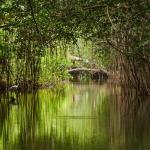
Sundarbans is the world's largest mangrove forest, shared by Bangladesh and India — home to Bengal tigers, river dolphins, honey collectors and ancient tides.


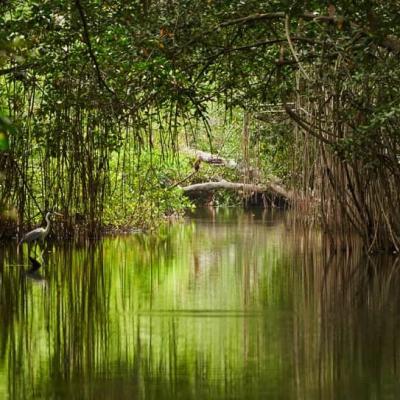
Sundarbans is the world's largest mangrove forest, shared by Bangladesh and India — home to Bengal tigers, river dolphins, honey collectors and ancient tides.
Jibanananda Das (1899–1954), the Barisal-born modernist poet of Rupasi Bangla and "Banalata Sen", was neglected in life and rediscovered after death.
Read MoreHumayun Ahmed (1948–2012), creator of Himu and Misir Ali, wrote over 200 bestselling books and reshaped Bangladeshi literature, television and film.
Read MoreMuhammad Yunus (born 1940), Bangladeshi economist and founder of Grameen Bank, pioneered microcredit and shared the 2006 Nobel Peace Prize with the bank.
Read MoreBegum Sufia Kamal (1911–1999): self-taught Bengali poet of Sanjher Maya, founding president of Bangladesh Mahila Parishad and conscience of the nation.
Read MoreFounded as a SEATO cholera laboratory in Dhaka in 1960, icddr,b proved oral rehydration therapy and became a world leader in global public health research.
Read MoreFrom an 1876 colonial survey school at Nalgola to Bangladesh's top engineering university — BUET's history, research role and the Abrar Fahad reckoning.
Read MoreBorn in 1921 as compensation for a lost province, the University of Dhaka — the 'Oxford of the East' — shaped a language movement and midwifed a nation.
Read MoreWar, a cyclone and soaring rice prices made food unaffordable in 1943 Bengal, killing millions. The famine's causes remain debated by historians today.
Read MoreHow Bengal was divided in 1947: the 1905 precedent, the failed United Bengal plan, the Radcliffe Line and the long migrations that reshaped two nations.
Read MoreHow Bengali became a state language: from the 1947 Tamaddun Majlis pamphlet to the martyrs of 21 February 1952 and recognition in the 1956 constitution.
Read MoreFazlur Rahman Khan, the Dhaka-born engineer behind the Hancock Center and Sears Tower, reinvented the skyscraper through his tubular structural designs.
Read More