Introduction: A Nation in Shock
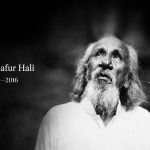
On December 18, 2025, Bangladesh lost one of its most prominent youth leaders, Sharif Osman Bin Hadi, who had become a symbol of resistance, courage, and youth activism. Hadi, the spokesperson for Inqilab Moncho, emerged as a key figure during the July 2024 student-led uprising, challenging entrenched power structures, advocating for justice for protest victims, and opposing what he described as undue Indian influence in Bangladesh’s domestic politics.
Hadi’s assassination in Dhaka’s Paltan area not only shocked the nation but also triggered widespread protests, attacks on media outlets, and anti-India demonstrations. His death became a rallying point for youth activism, national sovereignty campaigns, and debates over political accountability.
Sources: Al Jazeera, Prothom Alo
Early Life and Education
Sharif Osman Hadi, born Osman Goni on June 30, 1993, in Nalchity Upazila, Jhalokathi District, was the youngest of six siblings. His father, Maulana Abdul Hadi, a madrasa teacher and local imam, fostered a religious environment, while his mother, Taslima Hadi, encouraged intellectual curiosity.
Hadi completed his Alim examination at Jhalakati N S Kamil Madrasa before enrolling in the Department of Political Science at the University of Dhaka in 2010. His university years marked the beginning of his political activism, participating in student debates and organizing local youth initiatives.
Later, Hadi became a lecturer in Business Studies at the University of Scholars in Dhaka, where he combined academic teaching with civic engagement. His experience as an educator strengthened his reputation as a thoughtful leader capable of mobilizing students and youth activists alike.
Sources: University of Scholars, Jugantor
The Rise of a Revolutionary Leader
July 2024 Student Uprising: The Catalyst
The July 2024 student protests were sparked by widespread discontent with the conventional job quota system, which favored descendants of 1971 freedom fighters, reinforcing political elites. Students demanded meritocracy and transparency, which escalated into a nationwide movement.
Hadi became a key organizer, leading grassroots protests and coordinating youth movements. The government’s crackdown, led by police under former Prime Minister Sheikh Hasina, resulted in over 1,400 deaths and 20,000 injuries, making the uprising one of the bloodiest in recent Bangladeshi history.
Through these events, Hadi earned national prominence as a fearless voice demanding accountability, justice, and systemic reform.
Sources: Al Jazeera, The Financial Express
Inqilab Moncho: Voice of the Revolution
Hadi co-founded Inqilab Moncho, a youth-led platform inspired by the July protests. The organization aimed to:
- Defend Bangladesh’s independence and sovereignty
- Oppose all forms of external domination
- Demand justice for protest-related deaths
Hadi used the platform to mobilize thousands of young activists, organize sit-ins, and deliver public speeches criticizing corruption among certain youth political leaders. Inqilab Moncho became a central hub for post-uprising activism, later joining the July Unity Coalition, a broader network of youth and civil society platforms advocating political accountability.
Sources: Dhaka Tribune, The Times of Dhaka
Anti-Awami League Campaigns and National Government Proposal
Hadi and Inqilab Moncho repeatedly demanded that the Awami League be constitutionally banned from politics, citing their alleged responsibility for repression and protest-related killings. At a martyrs’ assembly in Shahbagh, Hadi outlined plans for a “March for Bangladesh”, calling for:
- Arrests of individuals linked to protest-related killings
- Investigations into past atrocities
- Formation of a national government, including all anti-Awami League parties
Hadi explicitly included the Bangladesh Nationalist Party, Jamaat-e-Islami, and Islami Andolan Bangladesh in this call, framing the initiative as a necessary step to restore justice and democracy.
Sources: bdnews24.com, Ekhon TV
Anti-Indian Hegemony Advocacy
Sharif Osman Hadi was a vocal critic of what he termed “Indian hegemony” in Bangladesh. He argued that former Awami League administrations, particularly under Sheikh Hasina, maintained political dominance with New Delhi’s strategic support.
Hadi’s campaigns included calls to renegotiate bilateral treaties, remove foreign influence from domestic governance, and promote “justice-based sovereignty” (Insaf). He gained international attention for a controversial “Greater Bangladesh” map, including parts of India, which drew condemnation from New Delhi but solidified his status among domestic supporters.
Sources: India TV News, News18
Assassination and Immediate Aftermath
The Shooting
On December 12, 2025, at around 2:25 p.m., Hadi was shot in the head while leaving a mosque in Paltan, Dhaka. The attackers, riding a motorcycle, fired at the battery-powered auto-rickshaw transporting Hadi. He was rushed to Dhaka Medical College Hospital, then Evercare Hospital, and finally airlifted to Singapore General Hospital on December 15.
Despite intensive treatment, Hadi succumbed to brain stem injuries on December 18. His death was announced by both Singapore authorities and Inqilab Moncho, which called him a “martyr in the struggle against Indian hegemony.”
Sources: The Business Standard, South China Morning Post
Investigation and Accountability
Bangladeshi authorities identified suspects as Faisal Karim Masud and Alamgir Sheikh, described as active Awami League members. The government offered a 5 million Taka reward (~$42,000) for information, and multiple arrests were made.
The Rapid Action Battalion (RAB) and counterterrorism units were actively involved in the manhunt, although allegations arose that the perpetrators may have fled to India, fueling further anti-India sentiment among protesters.
Sources: The Daily Ittefaq, Dhaka Tribune
Nationwide Protests and Violence
Following Hadi’s death, violent protests erupted in Dhaka, Chittagong, and Rajshahi, targeting:
- Prothom Alo and The Daily Star (perceived as pro-India)
- Chhayanaut Cultural Center
- Bangabandhu Memorial Museum
Protesters blocked Shahbagh Square, demanding justice and the resignation of the Ministry of Home Affairs and Ministry of Law officials. Some groups called for the closure of the Indian High Commission, alleging Indian complicity in Hadi’s assassination.
Sources: BBC News, Al Jazeera
National and International Reactions
Government and Political Leaders
The interim government, led by Chief Adviser Muhammad Yunus, declared a day of mourning, emphasizing that “Bangladesh’s march towards democracy cannot be halted through fear, terror, or bloodshed.”
Political parties, including the Bangladesh National Party (BNP) and National Citizen Party (NCP), expressed condolences, while promising to pursue justice for Hadi’s assassination.
Sources: Dhaka Tribune, BSS
- United Nations Secretary-General António Guterres condemned the killing, urging calm and impartial investigation.
- The European Union and the United States Embassy in Dhaka issued condolences.
- The Pakistan High Commission expressed sorrow.
These statements highlighted Hadi’s prominence and the international concern over escalating political violence in Bangladesh.
Sources: UN News, Prothom Alo
Funeral and Legacy
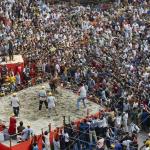
Hadi’s funeral was held at the South Plaza of Jatiya Sangsad Bhaban, attended by tens of thousands. He was buried at the Mausoleum of Kazi Nazrul Islam, near Dhaka University Central Mosque. Hundreds of Bangladeshi expatriates in Singapore attempted to pay their respects but were redirected due to procedural limitations.
His legacy persists through Inqilab Moncho and the broader youth movement, inspiring ongoing activism and debates over governance, sovereignty, and foreign influence.
Sources: The New Nation, Prothom Alo
Controversies and Criticisms
Hadi faced criticism for his outspoken style, particularly when he:
- Used profanity against Gopalganj District authorities during the National Citizen Party’s march in July 2025
- Advocated for an uncompromising stance against certain opposition parties
He later clarified these remarks as an “epic of liberation”, emphasizing his commitment to systemic reform over personal attacks.
Sources: Kaler Kantho, The Daily Observer
Political Impact and Future Implications
Hadi had planned to contest the Dhaka-8 constituency in the 2026 general election. His assassination significantly altered the political landscape:
- Strengthened anti-Awami League sentiment among youth
- Galvanized anti-Indian sovereignty discourse
- Pressured the interim government to act on security and political accountability
Experts predict that Hadi’s death will influence voter behavior, party strategies, and future student activism in Bangladesh.
Sources: Bangladesh Times, ThePrint
Conclusion: A Symbol of Resistance
Sharif Osman Hadi’s life and death exemplify the challenges and potential of youth activism in Bangladesh. His fearless opposition to entrenched power, advocacy for justice, and emphasis on national sovereignty transformed him into a martyr and symbol of resistance.
Hadi’s story underscores the interconnectedness of student activism, political reform, and foreign influence in Bangladesh, making him an enduring figure in the nation’s contemporary history.
References
- University of Scholars – Osman Hadi
- Jugantor – Bangladesh mourns Hadi
- Al Jazeera – Who was Sharif Osman Hadi
- Financial Express – How July Uprising Firebrand Osman Hadi Burst into Spotlight
- Prothom Alo – Year-long Discussion on Osman Hadi
- bdnews24 – Inqilab Moncho National Government Proposal
- Dhaka Tribune – Investigation Updates
- BBC News – Bangladesh Violence Continues
- The Daily Ittefaq – Reward for Information on Hadi Assassins
- South China Morning Post – Airlift to Singapore